

 Back to Blogs
What You Need to Know about Rip Currents and how to Avoid Them
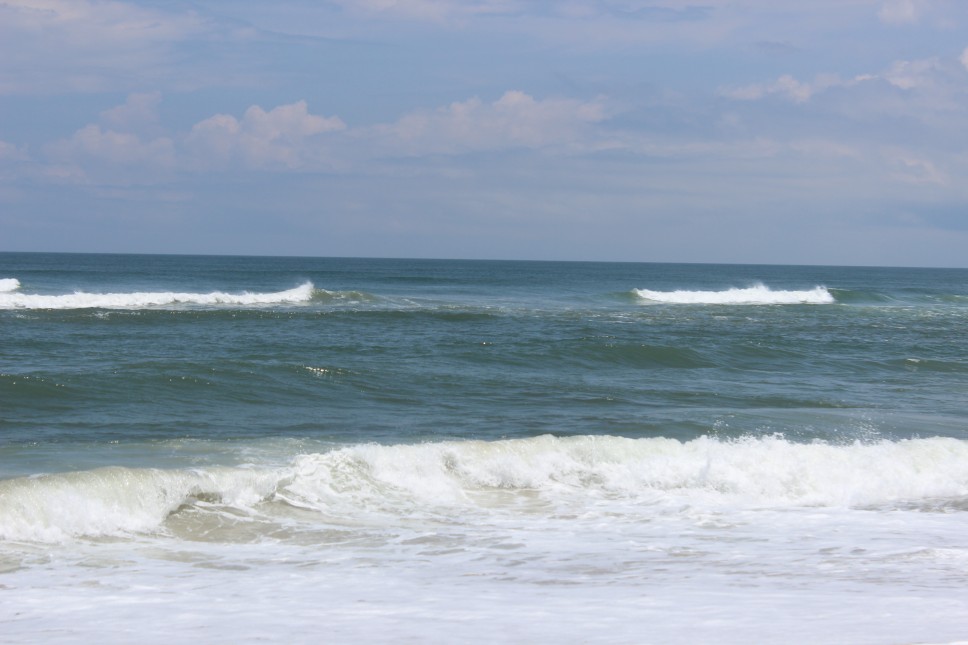
As we advance into mid-Summer, more and more families are going down to the beach. While swimming in the ocean is an excellent way to cool off and have fun, rip currents can be a dangerous hazard. Here is some basic information about rip currents and how to avoid them
Rip Tides or Rip Currents?
You may have heard of "rip tides" and "rip currents" used interchangeably. In actuality, "rip tide" is a misnomer, as there is no such thing as a rip tide. Tides are caused by the moon's gravitational pull on Earth, and has no effect on rogue currents of water. The name for this phenomenon is "rip current."
What is a Rip Current?
A rip current is a current of water which flows away rather than towards the shore. They increase in frequency during hurricane season (which started June 1st) and are influenced by size of waves. They form when the stirring of the ocean floor divergent paths for currents to flow back out to sea. They kill around 100 people in the US each year and are strong enough to carry away an olympic swimmer.
How to Avoid Rip Currents
Before you get in the water, it's always a good idea to scan the waters for any signs of rip currents. You can spot them by looking for darker patches of water or holes in the tidal wave as it moves towards shore . Debris like seaweed may also be an indication of a rip current.
What to Do if You Find Yourself in a Rip Current
First of all, don't panic. Rip currents can pull you away from shore, but they cannot pull you under the water. Instead, you have two options: wait it out or try and swim out of the rip current. If you choose to wait, wave your hand sand yell for help while waiting for the current to subside. Rip currents generally subside 50-100 yards from shore and there's a decent chance that the rip current will bring you back towards shallow water. Once that happens, you'll be able to swim to safety. If you choose to try and escape the rip current, do not try and swim back to shore. You will tire out and potentially drown. Instead, swim perpendicular to the shore until you escape the current and then swim back to shore at an angle
We hope this information and these tips will help you be prepared for your time at the beach.