

 Back to Blogs
Protecting the Outer Banks: North Carolina's Civil Air Patrol During World War Two
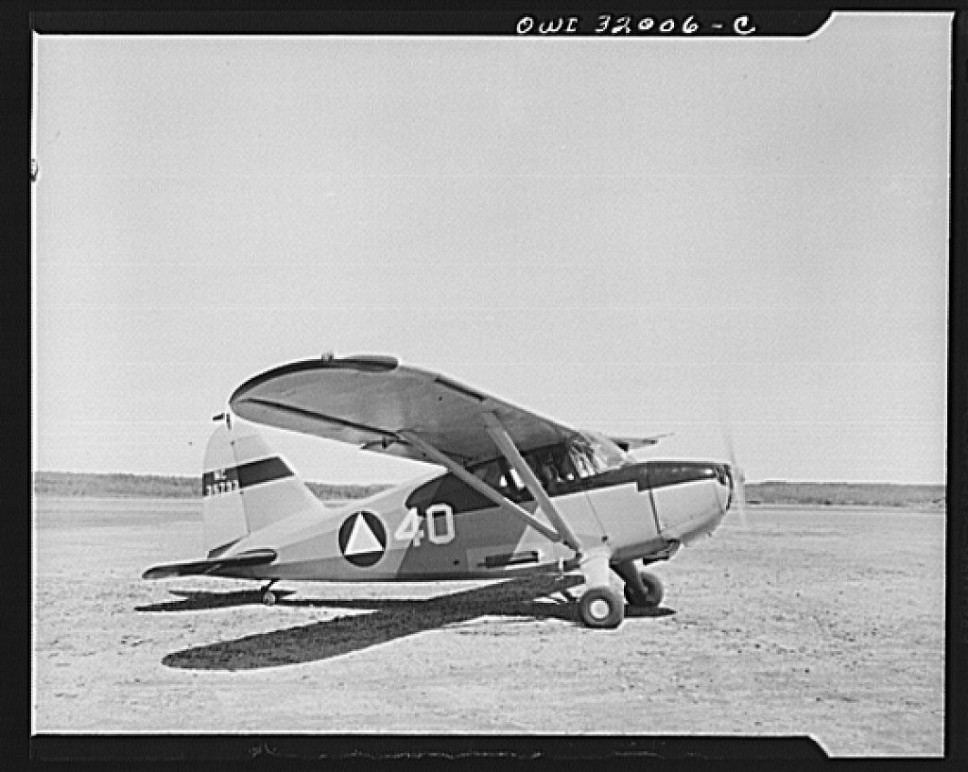
North Carolina's coasts are exceedingly beautiful and Window World of Eastern Carolina takes pride in be able to serve such an area. One fact which is not commonly known is that the waters off North Carolina were a big naval battlefield during the World War II
The popular conception of the Second World War is that it happened over there - in the hedgerows of France or on the tiny islands of the Pacific. But between December, 1941 and August, 1943, the war was on North Carolinians' doorsteps. After the attack on Pearl Harbor, German U-Boats began operating around the Outer Banks, particularly around Hatteras. Unprotected and unprepared, the area around Cape Hatteras quickly became known as Torpedo Junction. Fisherman began spotting German submarines and families on Ocracoke Island began locking their doors, afraid that German spies were being landed ashore; only six months after the United State's entry into the war, almost 400 ships had been sunk off the coast of the Tar Heel State. With the Navy occupied in the Pacific, North Carolinians in the Civil Air Patrol began flying to protect our vital shipping lanes.
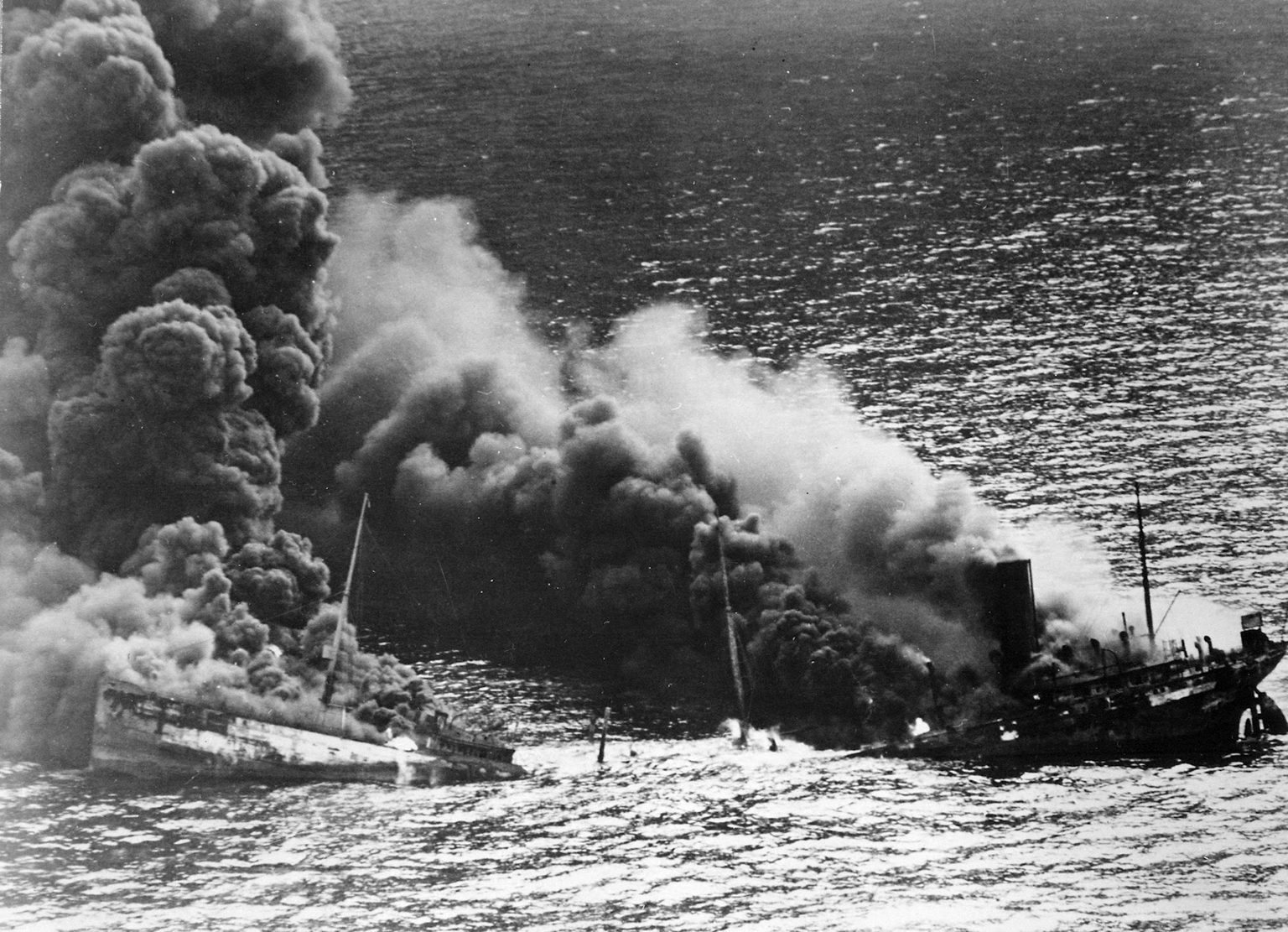
The Civil Air Patrol (CAP) was the brainchild of World War One aviator, Gill Wilson. Formulated in the late 1930s, the CAP came into existence in late November, 1941 with the intention of mobilizing America's civil aviation pilots for national defence. With the staggering losses in shipping, the state and federal governments established two CAP bases - one on Roanoke Island and another in Beaufort - in August and September, 1942. The air base at Beaufort began operations with 75 volunteers at an abandoned airfield. The job was voluntary, and pilots were paid for their time, but they had to build their barracks and hangers themselves. Daily patrols were carried out from these bases using small, lightweight general aviation aircraft. Between September 1942 and August 1943, over 3100 patrol missions were flown around North Carolina's east coast out of Beaufort. Their duties included looking for German U-Boats, guiding ships, and search-and-rescue. Although the base at Beaufort - Coastal Air Patrol Base No. 21 - was active for less than a year, it alongside the base at Roanoke had a significant impact on ensuring the safety of Carolina's waters. Their unit history cites 8,447 hours flown, 45 men saved from shipwrecks and plane crashes, and only two ships lost under their watch.
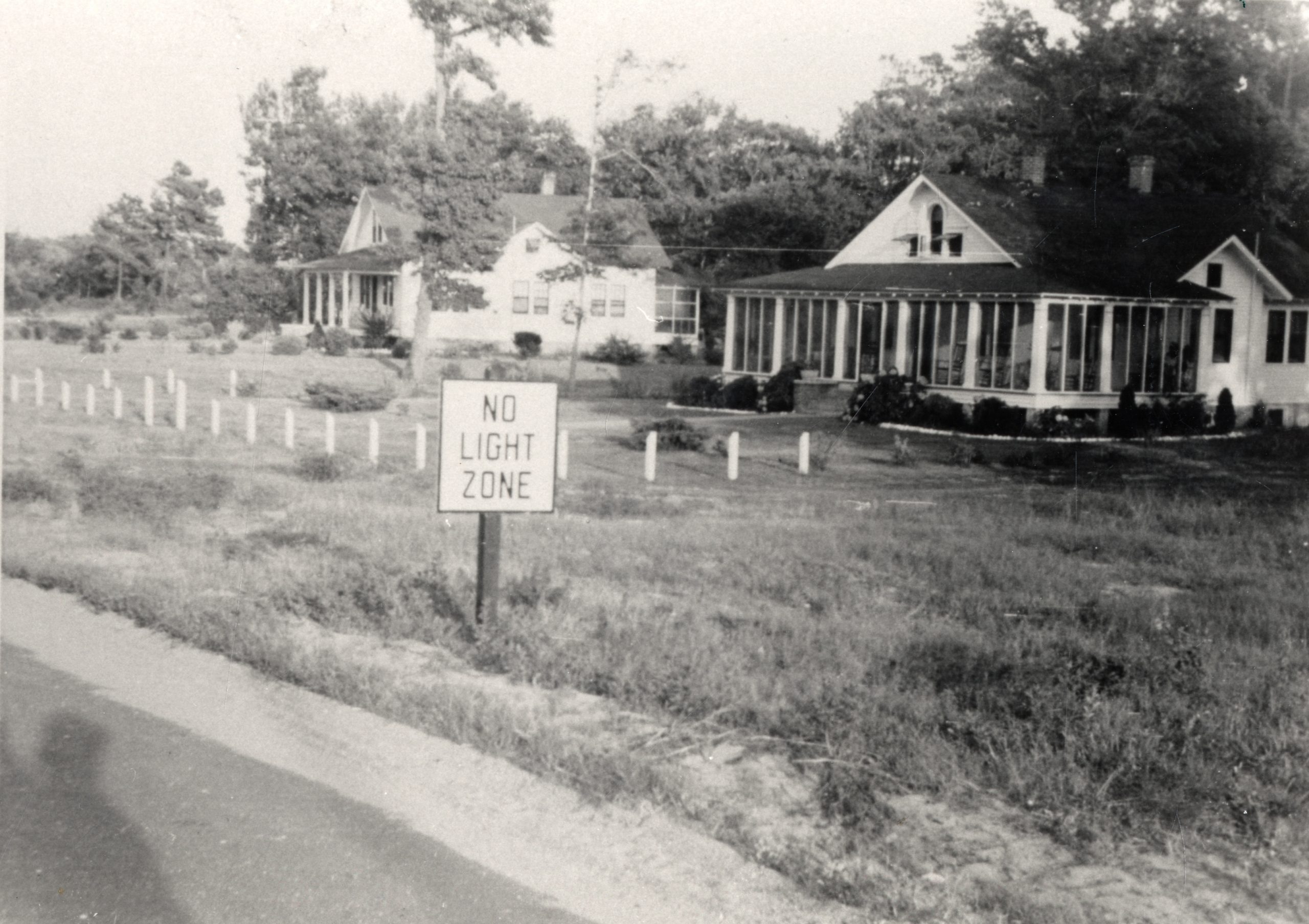
By the Fall of 1943, the U-Boat menance began to subside due to better U-Boat detection on ships, convoy defence formations, and the US Army Air Force took over many operations of North Carolina's CAP by that time. Nevertheless, in the early years of America's involvement in World War Two, North Carolina's Civil Air Patrol contributed to keeping our waters safe.